
Summer is not just a season of rising temperatures; for manufacturers, it is often the busiest and most demanding production period of the year. Industries like automotive, aerospace, electronics, packaging, and consumer goods experience a surge in orders during these months. With production schedules tightening and customer expectations growing, manufacturers cannot afford delays, inconsistencies, or quality issues. This is where CNC Machining becomes a game-changing solution. High precision machining ensures that every component is produced with accuracy, speed, and consistency, even under extreme operational pressure.
In modern manufacturing, precision is everything. A minor dimensional variation can affect product performance, safety, and reliability. During summer production cycles, machinery runs longer hours, raw materials are exposed to fluctuating temperatures, and production targets increase dramatically. These conditions make traditional machining methods less reliable. CNC Machining helps manufacturers maintain exact tolerances while improving efficiency and reducing production risks. It acts like the heartbeat of industrial production, quietly ensuring every process runs smoothly despite seasonal challenges.
Summer creates unique operational challenges for manufacturing facilities. Higher ambient temperatures can affect machine performance, tool stability, and material behavior. Metals expand when exposed to heat, which can slightly alter dimensions during the machining process. While these changes may appear minor, they can create serious quality issues in industries where tolerances are measured in microns. This is why manufacturers increasingly rely on advanced CNC Machining systems capable of maintaining exceptional precision despite environmental fluctuations.
Another major challenge during summer is production overload. Many businesses rush to fulfill large seasonal orders before peak sales periods begin. This means factories often run multiple shifts with limited downtime. Under such pressure, manual machining methods struggle to maintain consistency. Human error, fatigue, and process variation can quickly lead to defects and rework. High precision CNC Machining eliminates much of this risk through automation, repeatability, and computer-controlled accuracy. It allows manufacturers to maintain stable output while handling larger production volumes efficiently.
Several industries experience increased demand during summer months. Automotive companies ramp up vehicle production before festive and year-end sales. Consumer electronics manufacturers prepare inventory for new product launches and holiday demand. Aerospace suppliers often work on accelerated maintenance schedules and component manufacturing during this period. Medical equipment manufacturers also face growing demand due to healthcare infrastructure projects and equipment upgrades.
Because of these seasonal surges, manufacturers require machining solutions that can handle continuous production without sacrificing quality. CNC Machining offers the flexibility to produce complex parts quickly and accurately across different industries. Unlike conventional machining, CNC systems can switch between designs with minimal setup time, making them ideal for fast-paced summer production cycles. This adaptability helps businesses stay competitive while meeting strict delivery timelines.
When production demand increases, maintaining accuracy becomes more difficult. Machines operate for longer durations, cutting tools wear faster, and production teams work under tighter deadlines. In such conditions, consistency is often the first thing to suffer. High precision CNC Machining solves this problem by using automated controls and programmed instructions to ensure every component meets exact specifications.
Think of CNC machines like skilled orchestra conductors. Even when the pace becomes intense, they keep every movement synchronized and controlled. Advanced CNC systems continuously monitor cutting speeds, feed rates, and tool positions to maintain precise machining conditions. This level of control is especially important during summer production when manufacturers cannot afford costly errors or rejected parts.
Another advantage of CNC Machining is repeatability. Whether producing 100 components or 10,000, the system delivers identical results with minimal variation. This consistency improves product reliability and customer satisfaction while reducing inspection and rework costs. For industries that rely on tight tolerances and flawless finishes, precision machining becomes absolutely essential during high-demand seasons.
Speed matters in modern manufacturing, especially during seasonal production peaks. Customers expect shorter lead times and faster deliveries, but rushing production often leads to compromised quality. High precision CNC Machining bridges this gap by combining speed with accuracy. Automated machining processes reduce setup times, optimize cutting operations, and improve workflow efficiency.
Modern CNC machines can operate continuously with minimal supervision, allowing manufacturers to maximize productivity without exhausting manpower. Multi-axis machining systems further enhance efficiency by completing complex operations in a single setup. This reduces production time while improving dimensional accuracy. In industries where deadlines are tight and competition is fierce, this capability provides a major operational advantage.
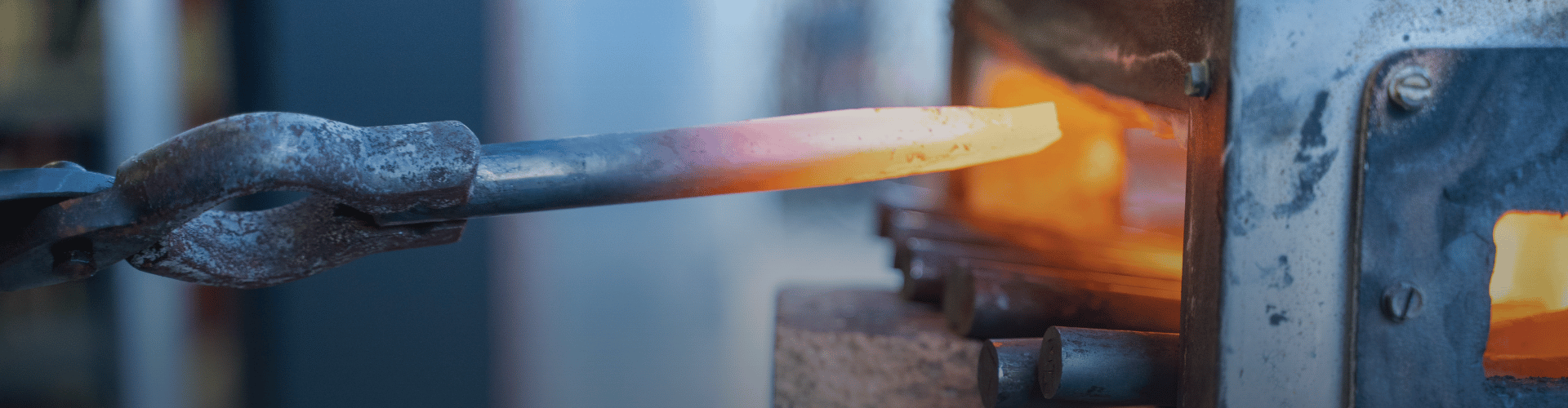
Heat is one of the biggest enemies of precision manufacturing. During summer, higher temperatures can influence both machine components and workpiece materials. Metals naturally expand when heated, which may lead to dimensional inconsistencies if not properly managed. For manufacturers producing critical components, even microscopic variations can create assembly problems or product failures.
High precision CNC Machining systems are designed to compensate for these thermal effects. Advanced machines use temperature monitoring systems, automatic calibration features, and precision control software to maintain dimensional stability. Some CNC machines even include thermal compensation technology that automatically adjusts machining parameters based on temperature changes.
This level of precision is particularly important in aerospace, automotive, and medical manufacturing. Components used in these industries must meet strict engineering standards to ensure performance and safety. By minimizing the impact of thermal expansion, CNC Machining helps manufacturers maintain quality even during extreme summer conditions.
Calibration plays a critical role in maintaining machining accuracy during summer operations. As machines run continuously, even small alignment shifts can affect precision over time. Regular calibration ensures CNC systems maintain consistent positioning accuracy and cutting performance throughout production cycles.
Skilled machinists and engineers monitor machine performance closely during peak production periods. They use precision measuring tools and digital inspection systems to verify tolerances and identify deviations before they become major problems. This proactive approach helps manufacturers avoid downtime, reduce waste, and maintain high production standards.
| Industry | Importance of CNC Machining | Key Benefit |
|---|---|---|
| Automotive | Engine and transmission components | High precision and repeatability |
| Aerospace | Aircraft structural parts | Tight tolerance control |
| Electronics | Compact device components | Fine detailing and accuracy |
| Medical | Surgical and diagnostic equipment | Reliable quality standards |
The automotive sector relies heavily on CNC Machining during summer production periods. Vehicle manufacturers require thousands of precision-engineered parts every day, including engine blocks, brake components, transmission systems, and suspension parts. These components must meet strict safety and performance standards, making precision machining absolutely critical.
Aerospace manufacturing demands near-perfect precision because even minor defects can compromise aircraft safety. High precision CNC Machining allows aerospace manufacturers to produce lightweight, complex components with exceptional accuracy. During busy production periods, CNC systems help maintain consistency while reducing manufacturing time.
The consumer electronics industry requires high-precision machining for small, intricate components. CNC Machining ensures consistent quality and tight tolerances, which are essential for the performance and reliability of electronic devices.
Consistency is one of the biggest strengths of CNC Machining. Automated systems follow programmed instructions precisely, reducing variation between parts. This ensures every product meets the same quality standards regardless of production volume.
Precision machining optimizes material usage by minimizing cutting errors and rejected parts. Reduced waste lowers manufacturing costs and improves sustainability, which is increasingly important for modern industries.
High precision CNC Machining streamlines production processes, reducing setup times and minimizing human error. This leads to faster turnaround times and increased overall efficiency.
Although advanced CNC machines require significant investment, they reduce long-term production costs through improved efficiency, lower waste, and reduced labor requirements. Businesses benefit from higher profitability and improved operational stability.
Modern CNC Machining systems now integrate automation, sensors, and real-time monitoring tools. Smart monitoring technology helps manufacturers track machine performance, predict maintenance needs, and reduce unexpected downtime during peak production seasons.
Multi-axis CNC machines improve machining flexibility by allowing tools to move in multiple directions simultaneously. This capability enables manufacturers to produce highly complex parts faster and with greater precision.
Selecting the right machining partner is essential for maintaining production quality during busy seasons. Experienced CNC machining providers understand material behavior, precision engineering, and production management strategies needed for high-demand operations.
Reliable manufacturers follow strict quality control procedures, including dimensional inspections, calibration routines, and performance testing. Strong quality assurance practices ensure every component meets industry standards and customer expectations.
Summer production brings intense pressure, tighter deadlines, and higher customer expectations for manufacturers across multiple industries. In such demanding conditions, precision becomes more important than ever. CNC Machining provides the accuracy, speed, and consistency needed to handle seasonal production challenges efficiently. From managing thermal expansion to supporting continuous high-volume manufacturing, precision CNC systems help businesses maintain quality while improving productivity.
As industries continue moving toward automation and advanced manufacturing, the importance of CNC Machining will only grow stronger. Companies that invest in high precision machining gain a competitive advantage through better efficiency, reduced waste, and superior product quality. During peak summer production cycles, CNC machining is not just a manufacturing tool; it becomes the foundation for reliable and scalable industrial success.